Design-Led MVPs
Apr 24, 2026
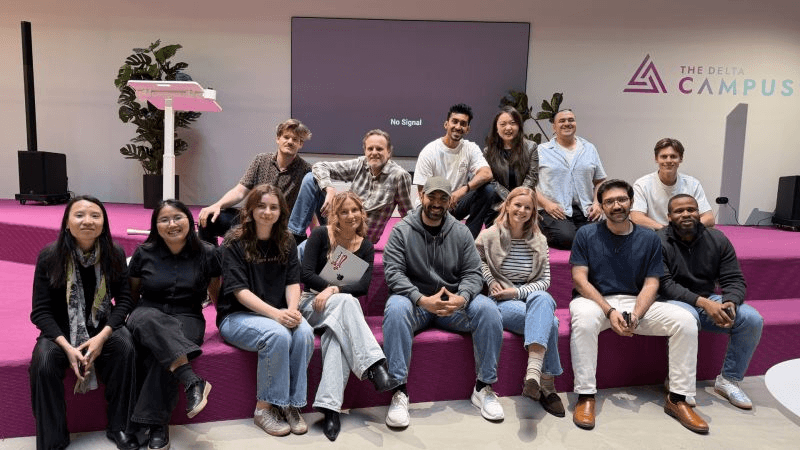
Last week, I ran a masterclass at Delta on a topic that keeps showing up across almost every early-stage startup I work with:
How to build MVPs without locking yourself into the wrong thing too early.
This wasn’t a theoretical session. It was built around real founder challenges, practical frameworks, and a live demonstration of how ideas can move from sketch to testable prototype in minutes.
But before getting into the session itself, it’s important to understand the core problem we were trying to solve.
The Real Problem Isn’t Speed
One of the first ideas I introduced in the session was this:
Most MVPs don’t fail because they’re bad.
They fail because they’re already too expensive to change.
This is something I’ve seen repeatedly working with early-stage startups.
Founders are told to:
move fast
ship quickly
build an MVP as soon as possible
So they do.
But what gets ignored is what happens after something is built.
Once you commit to code:
changes slow down
costs increase
decisions become harder to reverse
So the real issue isn’t speed.
It’s irreversibility.
Speed vs Irreversibility
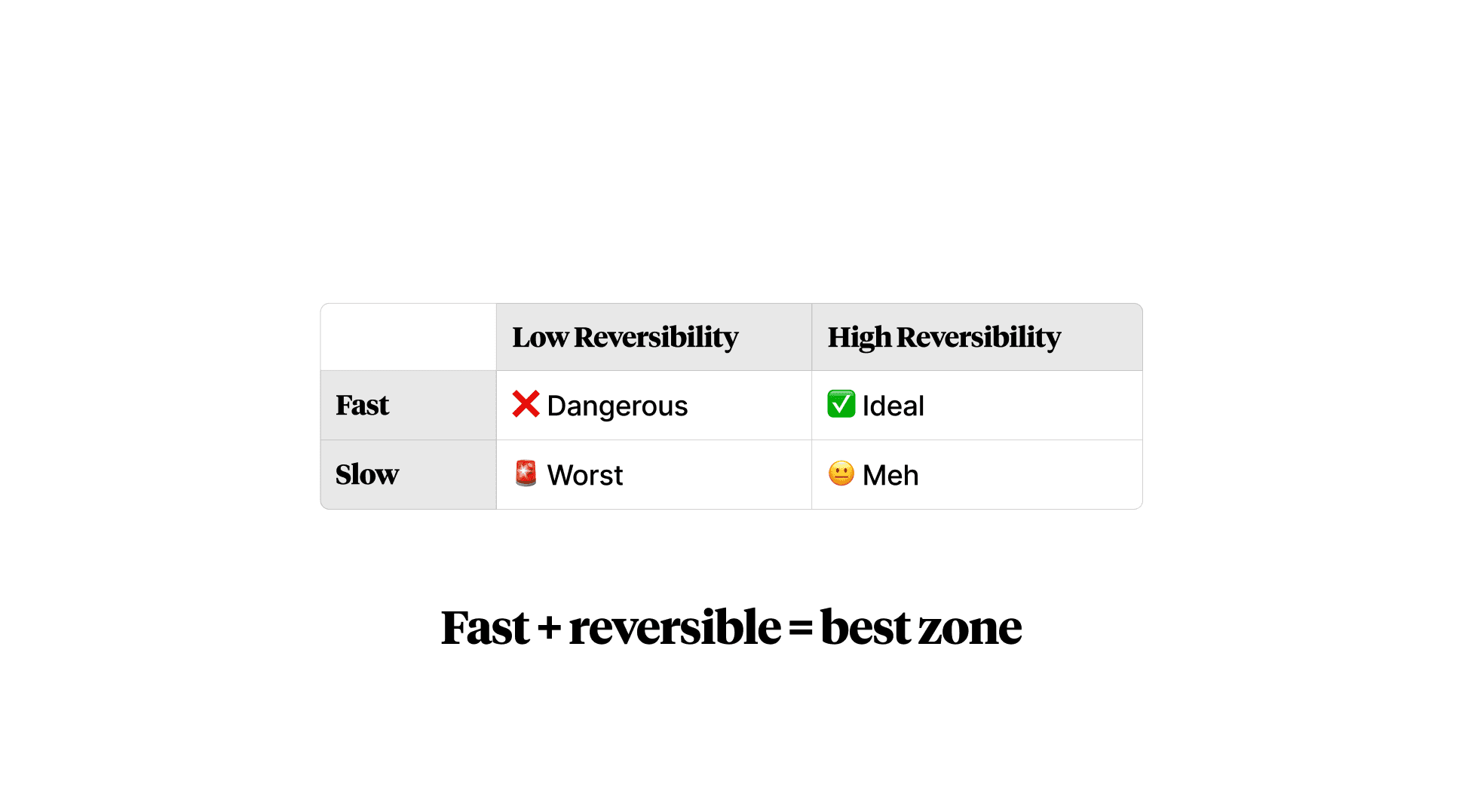
In the session, I introduced a simple mental model:
Speed = how fast you move
Irreversibility = how hard it is to change direction
The goal is not just speed.
The goal is to operate in what I call:
👉 “Fast + Reversible”
As shown in the framework during the session, this is the only zone where startups can move quickly without accumulating risk .
Anything else leads to:
wasted effort
expensive pivots
or getting stuck entirely
The MVP Traps Founders Fall Into
A big part of the session focused on identifying common mistakes.
1. Building Too Much
Many MVPs are not minimal.
They are overloaded with features, trying to impress instead of learn.
As highlighted in the presentation:
👉 Feature-heavy MVPs reduce clarity and slow down learning
2. Starting With Code
Another key point:
“Changing code is 2x more expensive than changing design.”
Yet most teams jump straight into development.
This makes experimentation slower and decisions harder to revisit.
3. Tech Shapes the Product
Instead of designing around user needs, founders often build based on:
what’s easy to implement
what their stack supports
This leads to products shaped by constraints rather than problems.
4. No Clear User Moment
One of the most critical mistakes:
👉 Not defining the core moment of value
Instead of validating one key interaction, teams build entire systems.
5. UX Comes Too Late
UX is often treated as something to fix later.
But as discussed in the session:
👉 UX is not a layer — it defines how the product works
Delaying it leads to structural issues that are hard to fix.
The Shift: A Design-Led MVP Approach
After breaking down the problems, we moved into the alternative:
A Design-Led Framework
The approach we explored was simple:
👉 Prototype → Test → Iterate → Build
Instead of committing early, founders learn first.
Step 1: Build the Journey Map
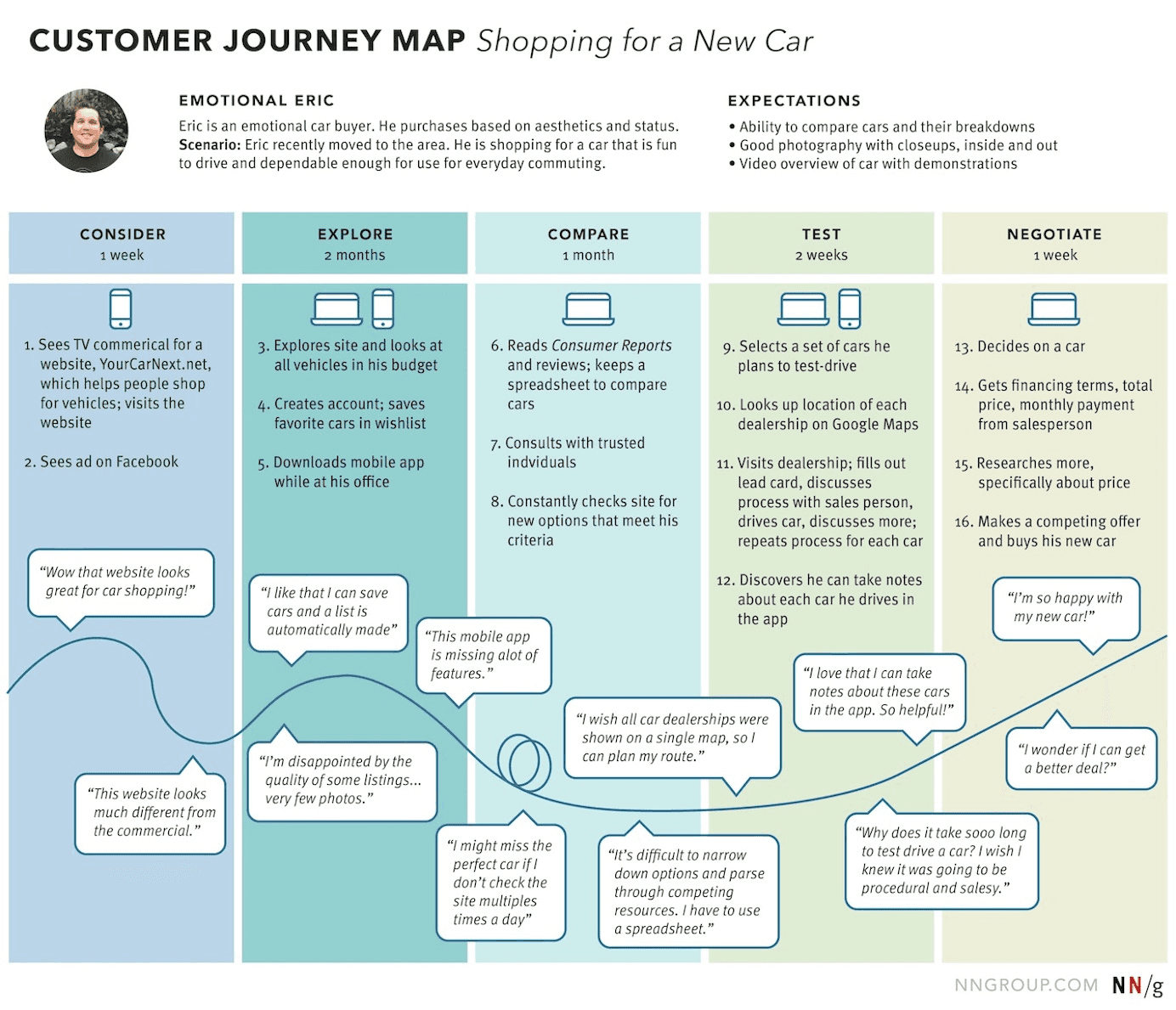
We started with customer journey mapping.
One example from the session was a restaurant kiosk experience.
Instead of jumping into UI screens, we mapped:
user actions
emotions
questions
friction points
As shown in the journey map:
users feel rushed during ordering
confusion appears in menu exploration
uncertainty happens at payment and pickup stages
This step alone reveals:
👉 where the real problems are
👉 what actually needs to be tested
Source: NN/g
Step 2: Prototype Instead of Build
Next, we moved into prototyping.
The key idea:
You don’t need a full system to test an idea.
Instead of writing backend logic or building infrastructure, we focus on:
flows
interactions
user understanding
Live Demo: Hand Sketch to Prototype
This is where the session shifted from theory to practice.
I moved away from slides and opened my IDE.
Starting with a simple hand-drawn sketch, I showed how to:
Translate the idea into UI components
Generate a working interface
Create a clickable prototype
Using tools like:
Cursor
OpenAI Codex
Within minutes, we had something testable.
Not perfect.
Not production-ready.
But enough to:
simulate user flows
validate assumptions
gather feedback
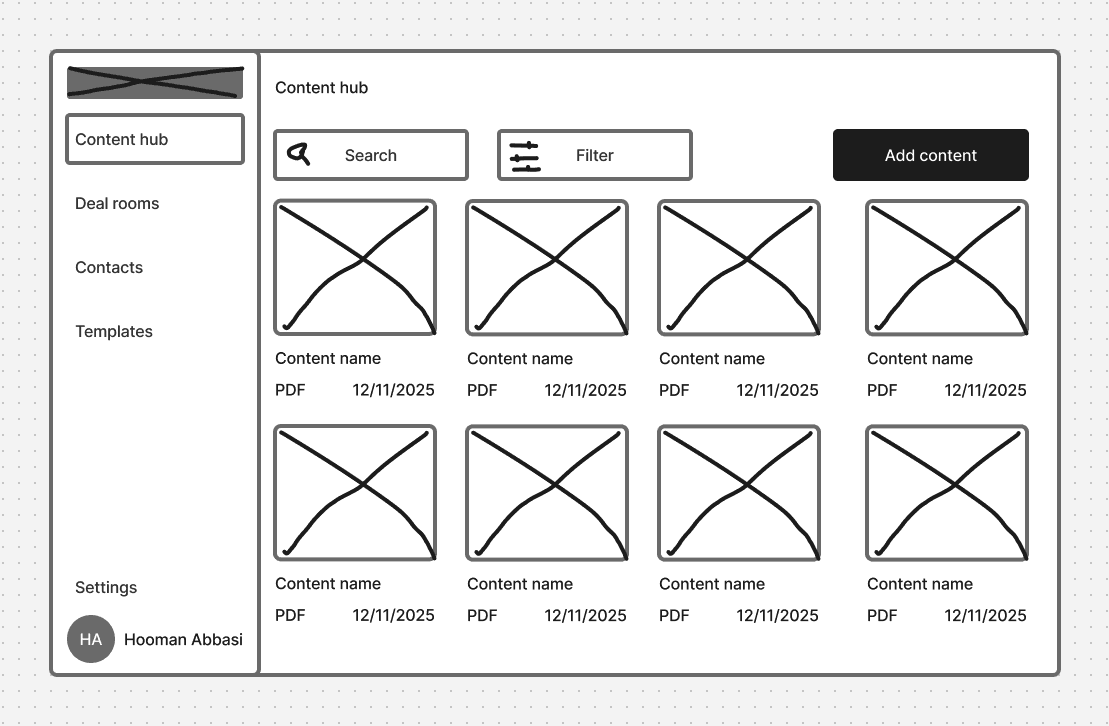
The hand sketch for the demo in the master class.
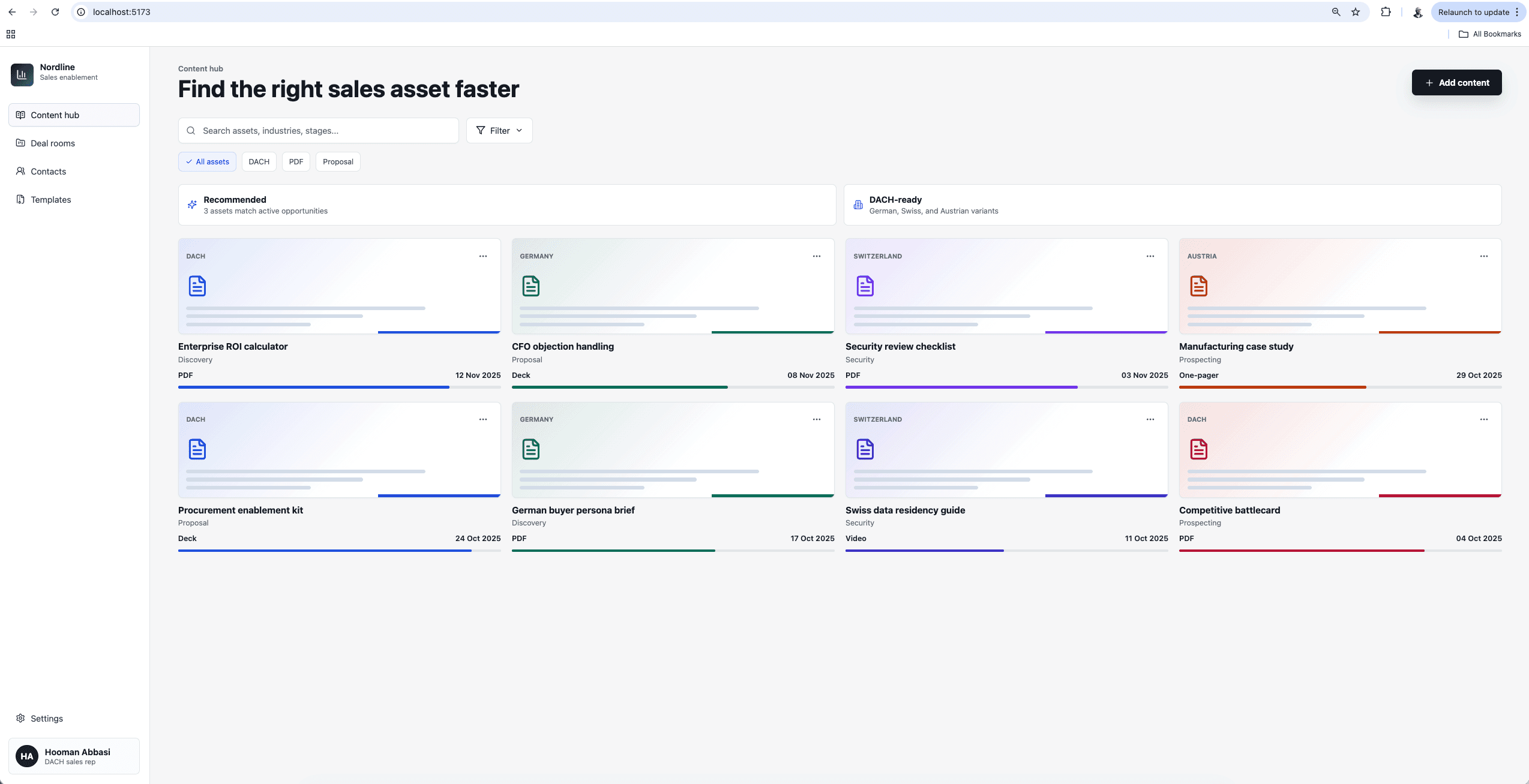
Live prototype built with AI.
From Code to Design: Refinement in Figma
After generating the prototype, we moved into:
Figma
This step allowed us to:
refine UI details
improve usability
adjust visual hierarchy
This combination is powerful:
👉 fast generation + structured refinement
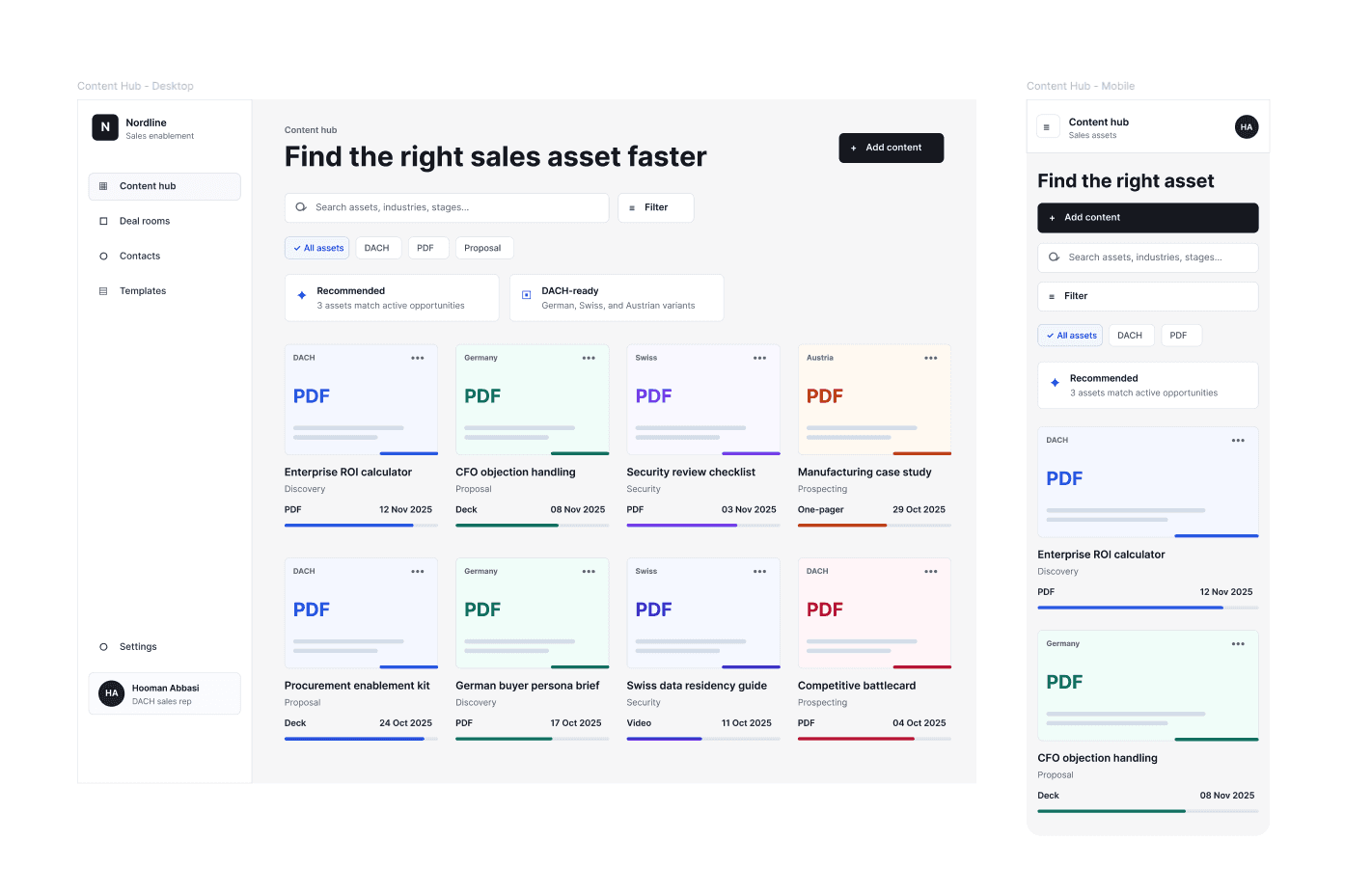
The output of the AI, moved to Figma, using Figma MCP.
Step 3: Test and Iterate
Once the prototype exists, the next step is simple:
👉 Put it in front of users
We discussed how to test:
Do users understand the flow?
Can they complete key actions?
Where do they hesitate or drop off?
And most importantly:
👉 iterate quickly
Because nothing is locked yet.
The Process in Practice
At the end of the session, we summarized the workflow:
Sketch your idea
Choose a design system
Build with AI
Test with users
Iterate based on feedback
This process allows founders to move:
👉 from idea → validation
👉 without committing to expensive decisions
What Happened After the Session
After the masterclass, I stayed to speak with several founders.
These were more focused conversations:
reviewing specific product ideas
identifying unclear user journeys
challenging assumptions
Because once the framework is clear, founders begin to see:
👉 where they are overbuilding
👉 where they are committing too early
The Real Outcome
The most valuable shift from the session wasn’t technical.
It was mental.
Instead of asking:
👉 “How do we build this?”
Founders started asking:
👉 “Should we build this at all?”
That shift alone can:
save weeks of development
reduce unnecessary complexity
improve product direction significantly